Mozambique
How a nonprofit-run fund kickstarted a green technology market in tumultuous times
Bringing better energy and clean cooking technologies to more than 1.6 million Mozambicans – even during the challenges of Cyclone Idai and COVID-19? The Fund for Sustainable Access to Renewable Energy (FASER) proves it can be done. Established by EnDev and the Foundation for Community Development (FDC), a highly capable local fund manager, FASER didn’t just fill a critical financing gap; it quickly adapted its results-based incentives, launching new funding windows with every emerging national challenge. FASER sparked private-sector growth and ensured communities stayed connected and empowered – even during times of uncertainty.
A fund to empower Mozambique
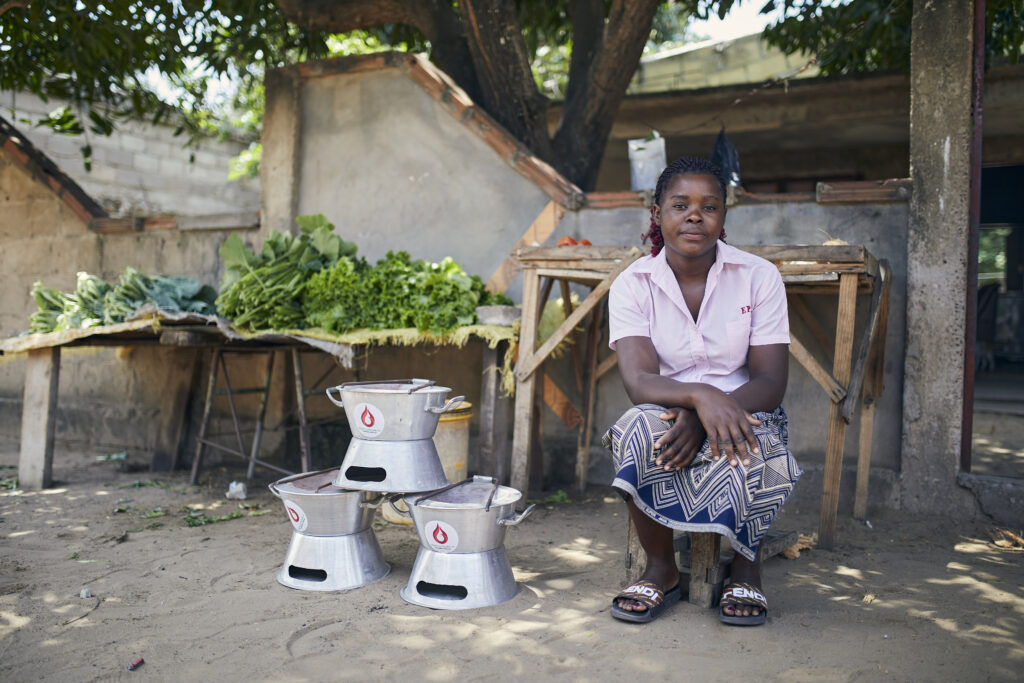
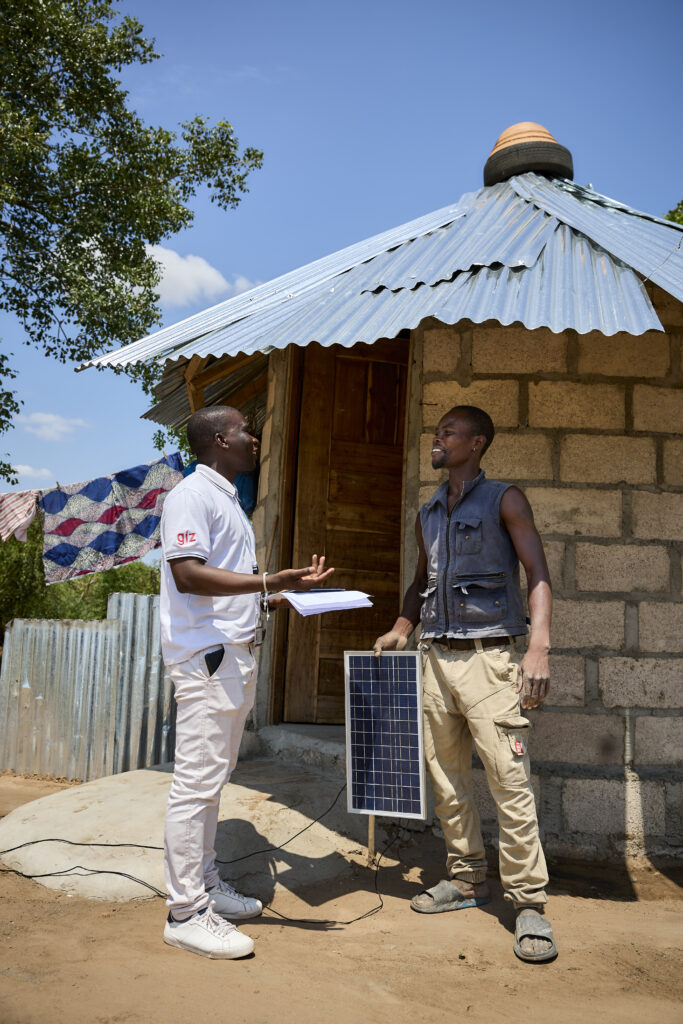
In rural Mozambique, solar home systems and improved cookstoves are on the market. The buyers are rural households upgrading their energy access on terms they can afford, including newly introduced PAYGO models. The sellers are 18 companies, and counting, that have received financing from the Fund for Sustainable Access to Renewable Energy (FASER) backed by technical assistance from EnDev. As a major source of financing in this market, FASER has enabled companies to bring marginalised and crisis-hit communities their first solar technologies, while also helping the companies stay in business through multiple economic shocks.
Pay-as-you-go (PAYGO)
This digital payment model is increasingly popular for off-grid energy technologies in Africa. Rather than paying the full cost of a technology up-front, a household makes regular small payments as they use it, usually through mobile money platforms. Typically, the seller can remotely monitor the technology and deactivate it if payments stop. PAYGO aims to lower financial barriers for households with very limited cash on hand.
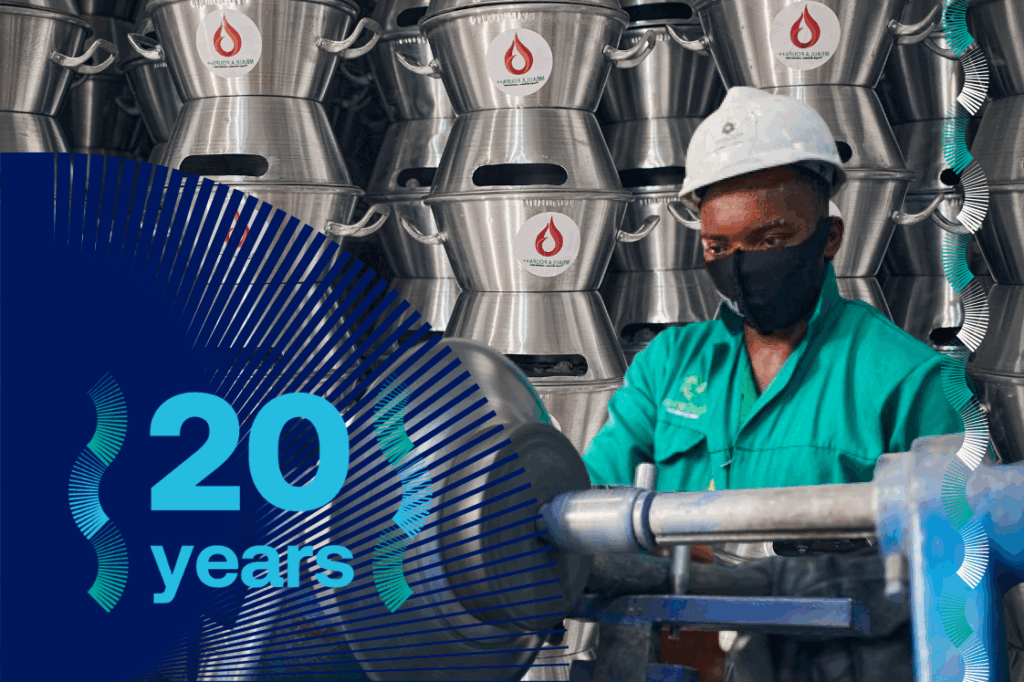
EnDev, the GIZ Green People’s Energy programme, and the Mozambican nonprofit FDC created FASER in 2019 to propel the household energy technology market. To do so they replicated a successful model designed and tested by EnDev in Peru and Bolivia. When companies apply for support, FASER offers them a fixed amount of base financing per stove or solar photovoltaic system sold, and pays this out after the sale and delivery are confirmed – the results-based financing model. Furthermore, to make sure the technologies can also energise hard-to-reach communities, over the years FASER has supplemented its base support with a series of targeted funding ‘windows’ and incentives.
A success factor is the capacity-building of working with FDC, which has positioned it to manage this and other funds. We know that we have a local manager with experience gained through us, and today they can replicate our project.
Salima Amade Salimo, EnDev Mozambique Tweet
Energy born in crisis
In 2019, Cyclone Idai hit Mozambique, devastating infrastructure in multiple provinces. It displaced over 2 million people, many of whom had to resettle in areas lacking services and energy sources. FASER, just preparing to launch, was in the right place at the right time to respond. EnDev set up a humanitarian funding window, which provided a higher bonus for companies to distribute technologies in the cyclone-affected areas. The effort brought more than 47,000 households in these areas access to electricity and clean cooking.
Then, a year later, the COVID-19 pandemic put more Mozambican livelihoods in limbo. FASER expanded its humanitarian window to cover the entire country. Donors like BMZ and the European Union were looking for emergency responses that could move fast, and FASER was one of the fastest. As a ‘basket fund’, FASER was designed to dynamically take on additional funding, making it possible to respond with new ideas. For instance, companies could use a new bonus called CovidPlus. By reducing the sales price of technologies, the scheme brought much-needed energy access to over 270,000 struggling households. Another demand-side subsidy window, called COVID-PAY, allowed solar energy companies to offer discounts to more than 200,000 PAYGO customers facing payment difficulties. This helped keep people connected to electricity and the companies in business.
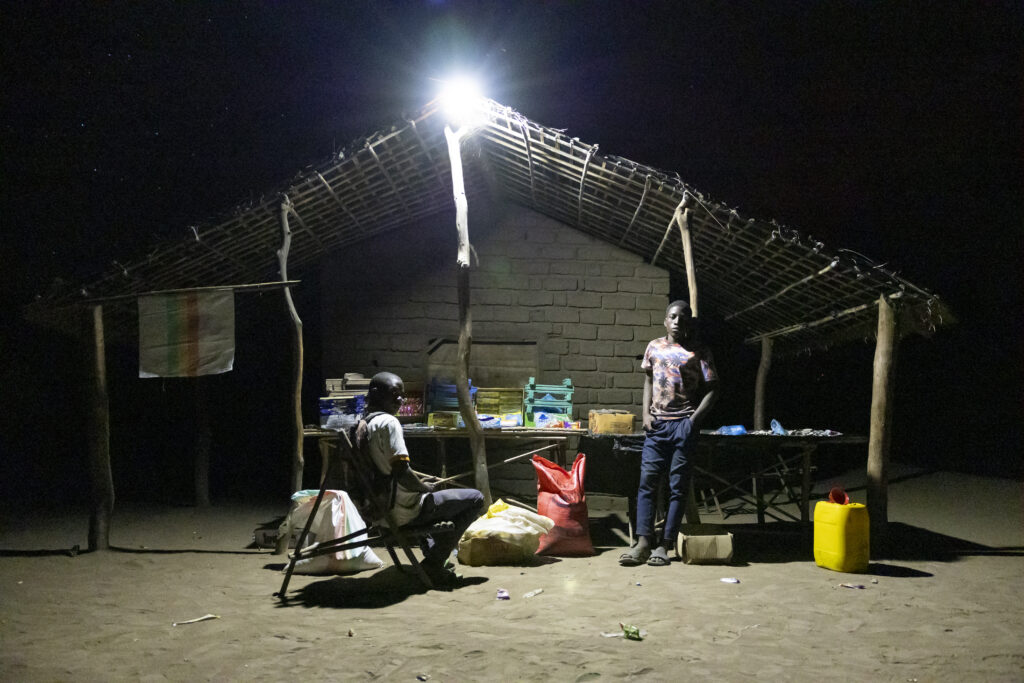
Each new window brought a flood of proposals. In 2024, EnDev opened a Leave No One Behind (LNOB) window to focus on women-headed households, families living in remote areas, the poorest of the poor in resettlement areas, internally displaced persons, and members of host communities. Participating companies report that 60% of their clients are in these harder-to-reach LNOB categories, making this window another success. For other types of customers, incentives taper off with greater numbers served, so the companies can move toward operating independently.
Through it all, companies that want to apply for funding from FASER have been able to turn to EnDev for business development support and technical assistance. EnDev has, for example, assisted cookstove manufacturers in setting up a semi-industrial production line and meeting technology standards, and helped a solar home system company develop a PAYGO client risk assessment tool. This assistance provides key benefits to FASER, as EnDev supports companies to submit high-quality proposals to the fund and then deliver on them.
Locally led and exceptionally adaptable
Within five years, Mozambique developed an active market for solar home systems and improved cookstoves that reached more than 1.6 million households. In late 2024, FCD reacted anew as Mozambique faced its next crisis: an election that escalated into months of mass protests, cutting off access to many rural regions. Following the lessons of COVID-19, FDC stayed in close communication with companies to get their perspectives on what areas were safely accessible, where they needed help, and how to keep verifying results and essentially continuing to finance the sector.
What lies ahead for Mozambique? Nobody can say, but with better energy access more households will be equipped for what lies ahead. Multiple new results-based facilities are now emulating FASER to support energy access for all. The World Bank has launched one such replication with the Energy Fund (FUNAE), designed on the foundation of FASER’s positive results and lessons learned, and plans to scale up for widespread adoption of clean cooking and solar home systems. FASER’s success has ensured it is no longer one of the only sources of finance in the market, but it remains a key enabler to bring energy to all communities – come what may.
Key take-aways
Be fast to create funding windows and incentives for changing – sometimes rapidly changing – needs.
Invest in the capacity of fund managers like FDC so they can carry a model forward and adapt to challenges that arise.
Set up basket funds for even greater potential to extend results-based financing with new donors.
Back incentives with technical assistance so companies can unlock their potential and reach harder market segments with models like PAYGO.