How solar technologies are reshaping farming for Uganda’s smallholders
Smallholder farmers in Uganda face many challenges, from erratic rainfall to high fuel costs and heavy post-harvest losses. The Sustainable Energy for Smallholder Farmers (SEFFA) project, co-funded by EnDev and the IKEA Foundation, implemented by GIZ, SNV and Netherlands Enterprise Agency, introduced solar-powered solutions that transformed practices for 426 smallholder farmers in Uganda. Solar irrigation enabled reliable harvests, solar dryers cut spoilage and opened higher-value markets, and solar cooling slashed dairy farmers’ reliance on diesel. Supported by innovative financing models, these technologies became accessible to farmers. By reducing costs, boosting productivity, and strengthening resilience, SEFFA showed how renewable energy can turn farming challenges into new opportunities for growth.
Turning sunlight into opportunity
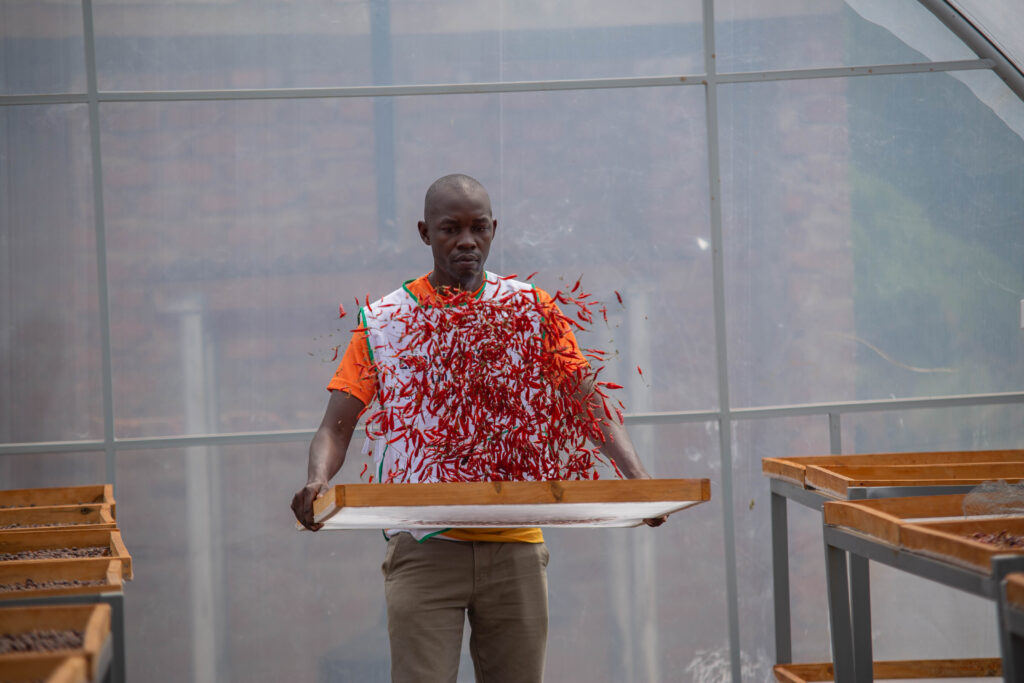
It’s a sunny day on a small farm in Iganga District, Uganda. Nulu Naikoba, a chilli farmer, carries baskets of freshly picked chillies to the farm’s solar dryer. It used to take weeks of drying in the sun – leaving produce vulnerable to degradation – but now, using the solar dryer, Nulu will have perfectly dried chillies in just 1 to 2 days. The chillies will retain their rich colour, flavour, and quality, ready to be processed into the farm’s star product, chilli oil. Productive use of energy in agricultural value chains, like solar drying, to increase productivity and value addition, improves the livelihoods of smallholder farmers like Nulu and offers solutions to increase their resilience to climate change while reducing greenhouse gas emissions.
Productive use of energy
Productive use of energy is the application of energy in agricultural, commercial, and industrial activities to increase productivity, such as through pumps, mills, dryers, or cooling equipment. For smallholder farmers, productive use of energy technologies can reduce post-harvest losses and open access to higher-value markets while building resilience to climate change. Solar productive use of energy can also avoid the costs and emissions of fuel-burning processes.
Improving livelihoods and resilience
Sub-Saharan Africa is one of the most food-insecure regions in the world, and climate change disproportionately impacts smallholder farmers across the continent due to unreliable rainfall patterns and more frequent extreme weather events. To improve resilience for smallholder farmers, SEFFA introduced practical renewable energy solutions into a nascent market that were tailored for smallholder farming, with three key focus areas – solar-powered water pumps, dryers, and coolers – to help achieve increased productivity, improved nutrition, higher incomes, enhanced climate resilience, and better food security.
Challenges for smallholder farmers in Uganda
Uganda is the second largest producer of fresh fruits and vegetables in sub-Saharan Africa, and smallholder farmers account for 89% of all farmers, delivering up to 80% of the annual total agricultural output in the country. Yet, the agricultural sector has grown more slowly than other economic sectors, and poverty remains high: one third of Ugandans live below $1.90 per day − below the international standards for extreme poverty.
Sustainable Energy for Smallholder Farmers (SEFFA)
SEFFA ran from 2021 to 2024, co-funded by EnDev and the IKEA Foundation. GIZ and SNV implemented the project in Ethiopia, Kenya, and Uganda with backstopping from the Netherlands Enterprise Agency. It increased access to and adoption of productive renewable and energy-efficient technologies for 6,248 smallholder farmers. By combining viable business cases of technologies, access to finance, training, and market linkages, SEFFA supported farmers to boost productivity, operate and maintain productive use of energy technologies, reduce post-harvest losses, increase incomes, and contribute to climate protection.
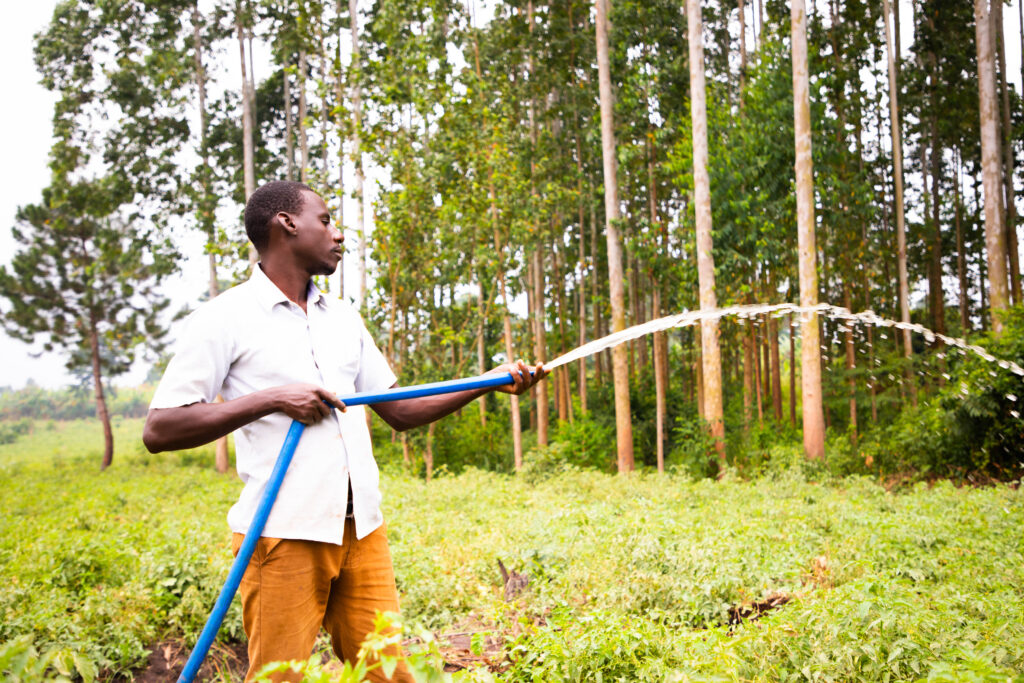
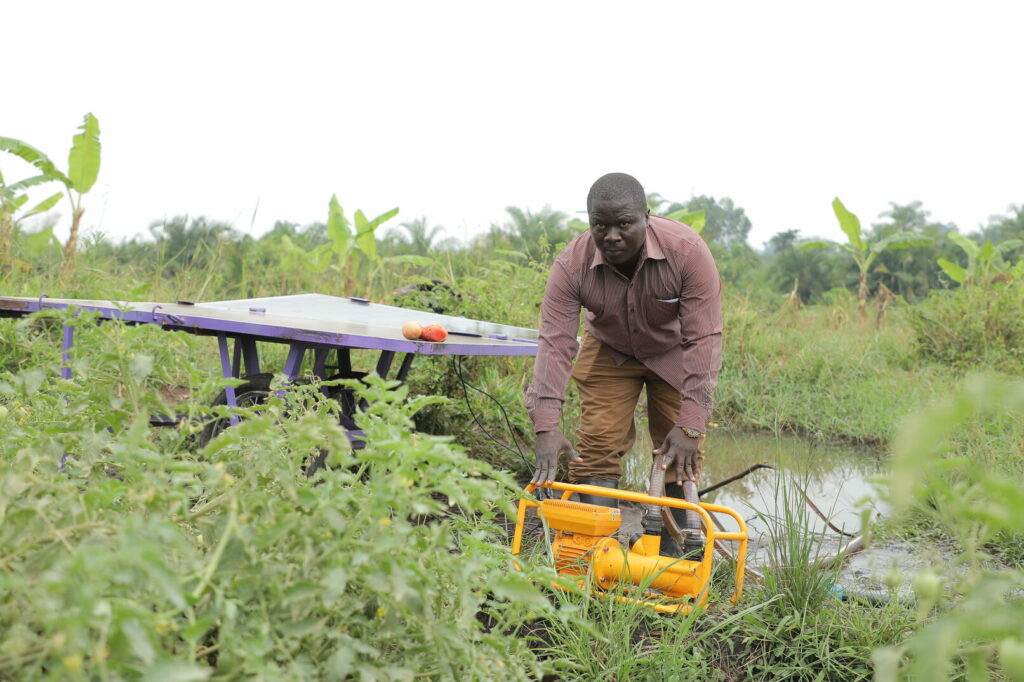
Solar water pumps use energy from the sun to lift water from wells, rivers, or boreholes, reducing reliance on rainfall and on polluting diesel pumps. They give farmers reliable access to irrigation without the burden of fuel costs. In Uganda, the SEFFA project empowered 126 farmers to adopt solar water pumps through results-based financing. The results-based financing model also enabled solar companies to expand to underserved regions, offer aftersales support, and boost adoption of solar-powered irrigation.
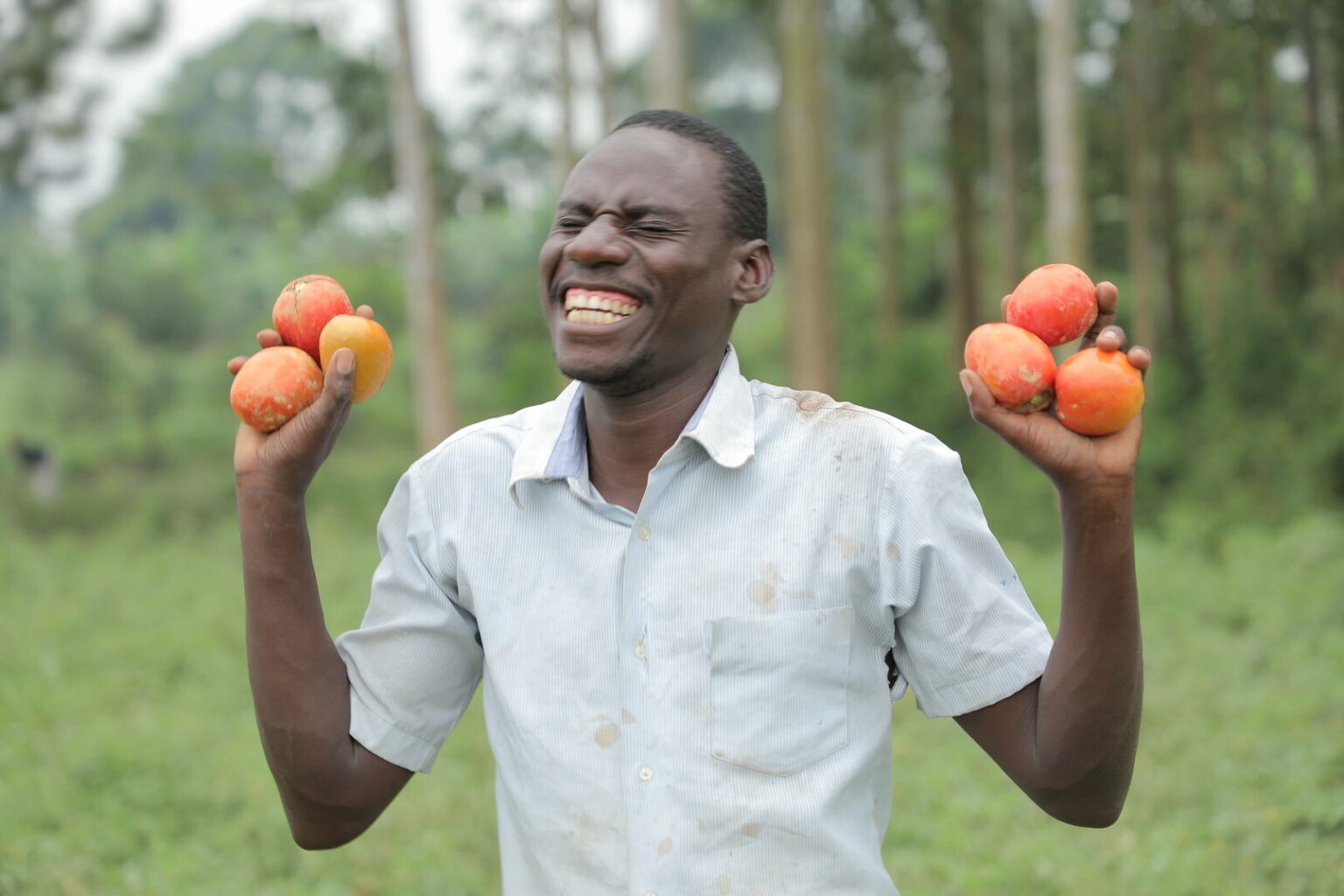
Four demonstration mobile solar water pumps were used by farmers Nakaseke and Iganga districts, so smallholder farmers could experience solar-powered irrigation in action for the first time, to understand how they work and how they can be shared to make for irrigation less costly. The demo sites were selected in alignment with Ministry of Energy and Mineral Development. Previously, the farmers were using petroleum, manual, or no irrigation in the production of fruits and vegetables. The mobile solar water pumps enabled more than 30 farmers accessing solar irrigation through a shared model, resulting in higher yields, extended growing seasons, and ensured production even in dry seasons.
Smallholder farmers in Uganda also face post-harvest losses averaging over 20%. Solar dryers, compared to traditional open sun drying, offer a more hygienic, faster, and weather-resistant method for processing crops. At the two SEFFA-established drying facilities in Iganga District, farmers quickly saw improvements in product quality. Chillies, once prone to spoilage, were now dried within days instead of weeks and sold to an aggregator thus opening opportunities to sell into higher-value markets.
Solar cooling, meanwhile, allows dairy farmers to preserve milk longer. At Akajumbura Dairy Farmers’ Cooperative Society, a 19.72 kWp solar-powered system replaced diesel generators and cut cooling costs. The cooperative had been spending about €1,445 a month on fuel just to cool 5,300 litres of milk. With SEFFA’s support and a financing partnership with a local savings and credit cooperative society (SACCO), the group invested in solar panels, an inverter, and batteries. As a result, they cut operational costs by 70%, brought down maintenance costs, and extended cooling hours, meaning milk stays fresher longer and they can store and sell more ensuring better quality and consistent supply to markets. In addition, the cooperative built its credibility with lenders, unlocking further opportunities to access financing services, such as buying more cows to expand the herd or purchasing more refrigerators to increase cooling capacity.
Together, these technologies introduced through the SEFFA project have helped farmers cut their reliance on costly fossil fuels, reduce food losses, boost productivity, and earn more from their harvest.
Innovative financing models
Supporting the Productive Use of Energy (PUE) in agricultural value chains to increase productivity and value-addition can be one of the most relevant means to improve smallholder farmers livelihoods and increase their resilience to climate change while contributing to GHG emissions reduction. The "Sustainable Energy for Smallholder Farmers (SEFFA)" project focuses on solar technologies and services for irrigation, cooling and drying for smallholder farmers in dairy and horticultural value chains to achieve increased productivity, improved nutritional outcomes, higher incomes, and improved climate-resilience and food security. The business models follow a holistic approach. Beneficiaries are expected to improve their nutrition situation, increase their resilience to climate change and contribute to greenhouse gas emission reduction, for instance by using solar irrigation for the production of fruits and vegetables, and solar drying and cooling in post harvesting processes.
To make these technologies accessible to smallholder farmers, SEFFA supported innovative financing models such as pay-as-you-go, energy-as-a-service and partnerships with SACCOs and banks, enabling farmers to adopt solar solutions gradually without high upfront costs. This demand-driven, inclusive approach ensures that energy access is both practical and affordable.
A key factor in the project’s success was the close collaboration with local businesses and agricultural stakeholders to ensure affordability. SEFFA facilitated linkages between manufacturers, distributors, digitalisation partners, and financial intermediaries to develop and trial viable business models to sustainably provide and maintain the productive renewable energy technologies. For example, the project launched an innovation fund to facilitate group ownership of solar irrigation systems, reducing the burden of raising the high upfront cost of individual ownership.
Samwel Naimasia coordinates SEFFA across Ethiopia, Kenya, and Uganda, and explains: “Technologies are only successful in the long term if we build local capacities and partnerships. By working closely with companies to identify complementary linkages to financial institutions, like SACCOs, we further develop a sustainable and scalable avenue to unlock financing for smallholder farmers and low-income entrepreneurs to adopt productive use energy appliances”.
“The SEFFA project brings deep local knowledge and a strong track record in energy access. At the IKEA Foundation, we’re proud to support their work with smallholder farmers in East Africa. By backing early-stage innovations, we help test new business models that can shift entire systems. It’s about using our philanthropic capital to unlock practical solutions that improve lives and protect the planet.”
Jolanda van Ginkel,
Head of Portfolio, Renewable Energy (IKEA Foundation)
Smallholder farmers in Uganda still deal with immense challenges: unreliable rains, high input costs, crop and post-harvest losses due to unfavourable weather conditions, and time-consuming manual tasks make farming difficult. A lack of access to sustainable and affordable energy technologies hinders solutions to these issues. For farmers like Nulu across Uganda, the integration of solar technology into farming practices facilitated through the SEFFA project has helped turn these challenges into an opportunity, as new solar solutions are reducing waste, improving incomes, and strengthening resilience.
Key lessons
For the energy and agri-food nexus to be successful it is essential to effectively combine expertise from the energy and agri-food sectors to achieve intended impact of productive use technologies, like solar-powered technologies to rural livelihoods.
Facilitated partnerships, targeted matchmaking, and awareness campaigns at the community level are highly effective in the adoption of productive use of energy technologies. To maximise their impact, these should be tailored to the sector actors and target communities’ specific needs, challenges, and cultural contexts.
Scalable business cases of productive use of energy solutions in agriculture now exist, to enhance their adoption and affordability there is no one-size-fits-all approach, models such as group ownership models and SACCO-backed loans, have been utilised to help smallholder farmers overcome the upfront cost barrier.