The Government of Lao People’s Democratic Republic has set an ambitious goal – by 2030, 70% of the population should be cooking with electricity – but with EnDev and the Government rising to the challenge, the country is determined and taking important steps to achieve it. Consequently, Laos became the first country to express its intent to join the Global Electric Cooking Coalition in December 2023 and is currently developing a national eCooking strategy and roadmap. What will it take to turn this vision into a reality for millions of households across the country?
Climbing the energy ladder
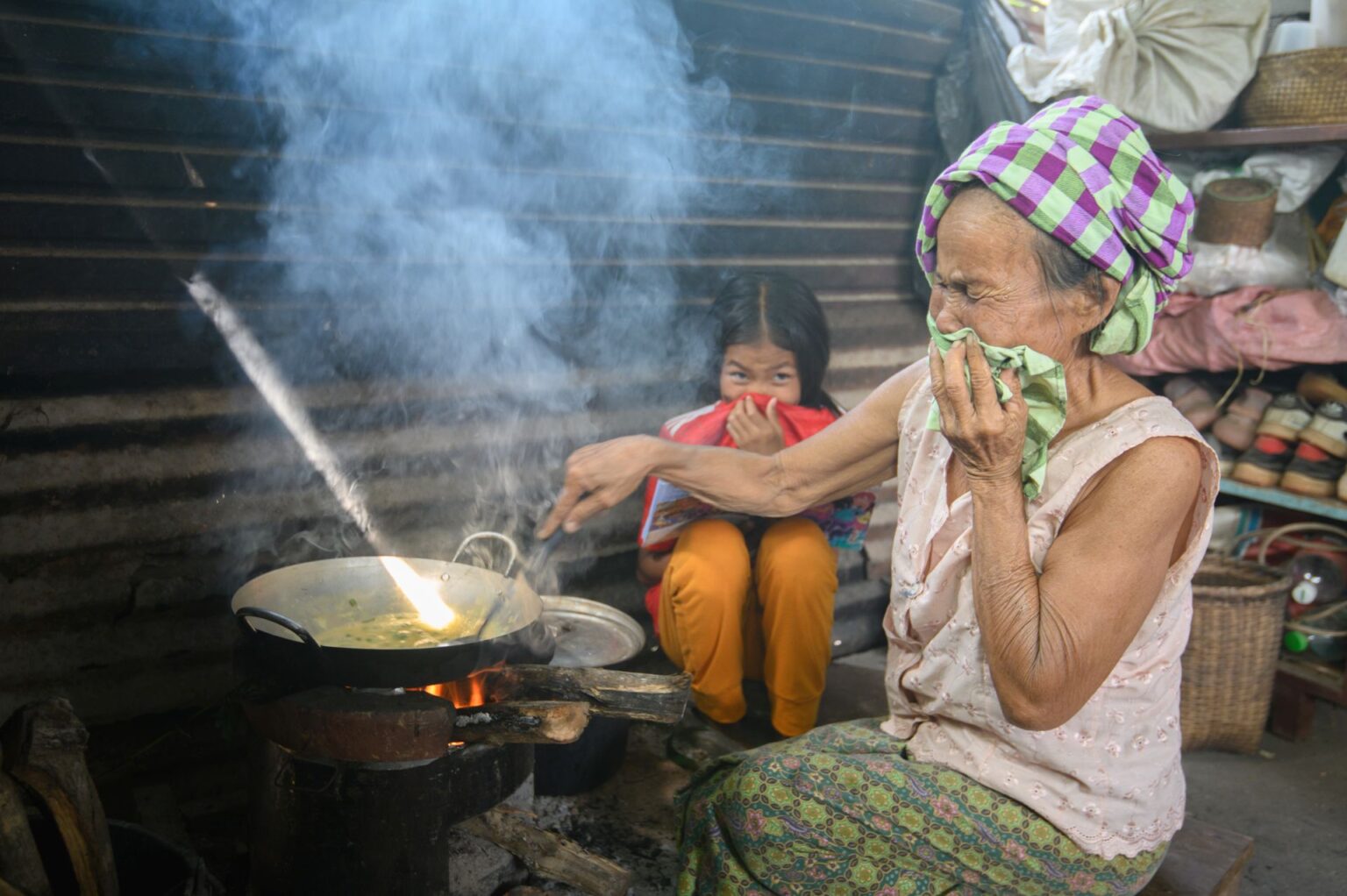
Laos is uniquely positioned for a successful shift to eCooking: over 95% of households are already connected to electricity – 80% of which is generated from renewable sources, like hydropower – and the population benefits from a low electricity tariff. However, around 90% of the population still relies on biomass as their primary source of cooking fuel. So, how can EnDev support the country to achieve its goal by 2030?
EnDev and the government are tackling the challenge from different angles and promoting eCooking through interconnected approaches.
- EnDev provides institutional policy support, which includes the country becoming an anchor partner with the Global Electric Cooking Coalition (GeCCo) and developing a national eCooking strategy and roadmap to ensure policy coherence and strategic alignment with national and international climate goals.
- EnDev, through its implementing partner SNV, are encouraging communities to switch to cleaner cooking practices through Smoke-Free Villages, a behaviour change communication approach which promotes the benefits of eCooking.
- EnDev supports innovative financing, like results-based financing, demand-side financing, and tax incentives to facilitate an enabling environment for market development.
Clean cooking in Laos
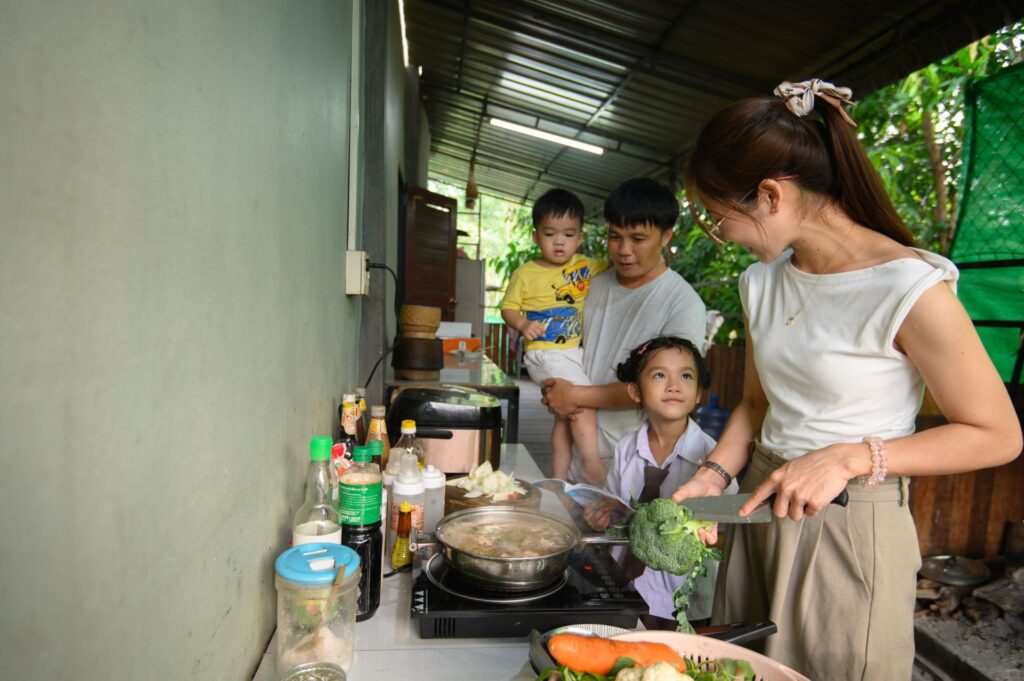
The government has many international climate change and sustainable development targets to meet, including net-zero emissions by 2050. Its Nationally Determined Contributions, under the Paris Agreement, aim to introduce 50,000 higher-tier biomass cook stoves by 2025, while Sustainable Development Goal 7 commits Laos to 100% clean cooking by 2030. eCooking can dramatically increase these gains, especially when scaled nationally.
The ninth National Socio-Economic Development Plan (2021–2025) emphasises the importance of reducing indoor air pollution and promoting clean cooking solutions. However, if no further changes had been made to the existing government policy, it would have left more than 1 million households relying on biomass in 2030.
Global Electric Cooking Coalition
The Global Electric Cooking Coalition (GeCCo) is a coalition founded in 2023 by EnDev, Modern Energy Cooking Services, Sustainable Energy for All, and the Global Energy Alliance for People and Planet. It aims to accelerate global access to eCooking and help countries transition up the energy ladder.
Smoke-Free Villages
Smoke-Free Villages
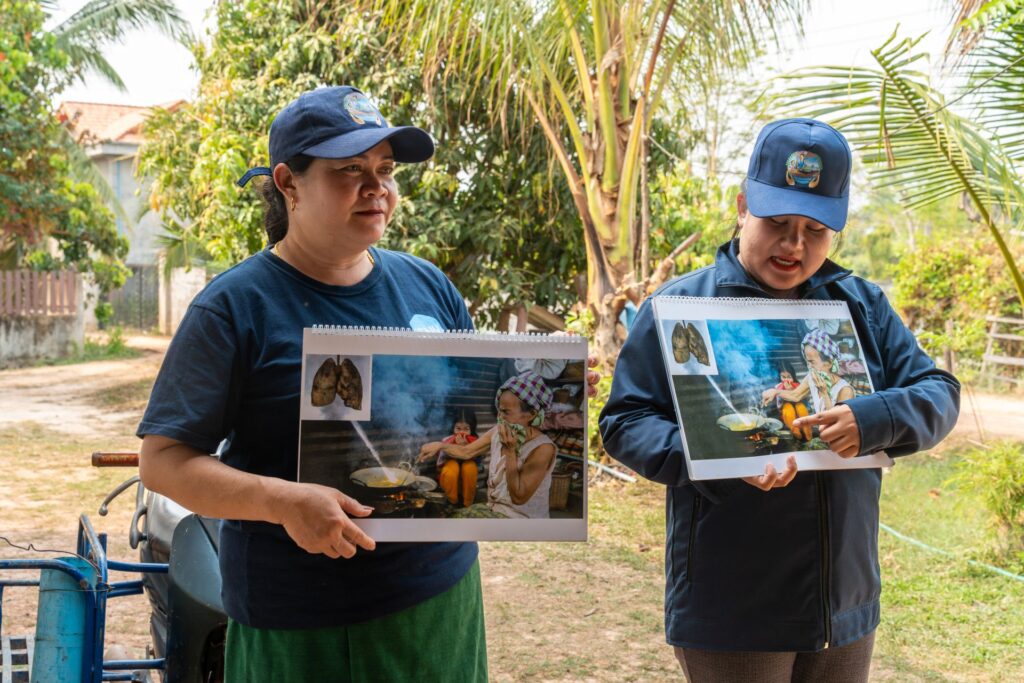
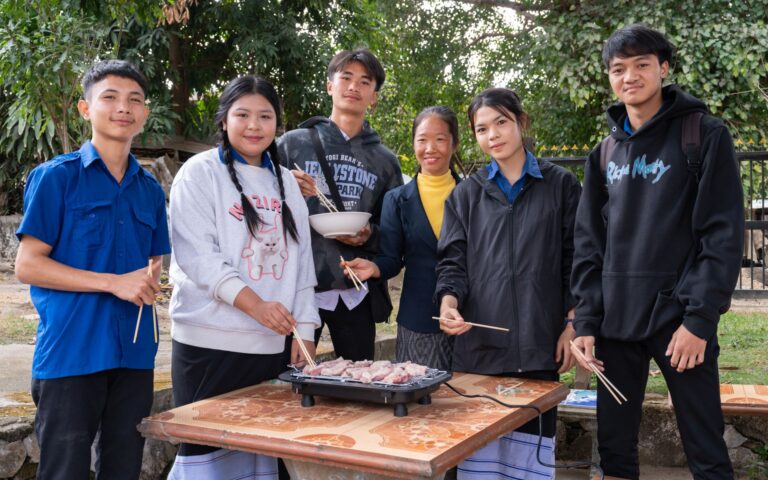
The Smoke-Free Village approach uses behaviour change communications to transition communities towards cleaner cooking practices. It focuses on awareness-raising events, rather than offering financial incentives to households or supply-side subsidies, giving agency to households. It empowers them to make their own decision on whether to switch to cleaner cooking solutions, in their own time.
In July 2023, EnDev started replicating the Smoke-Free Villages approach in Laos, developed by SNV, after its success in neighbouring Cambodia. Through this innovative approach over 2,000 households in Laos have already adopted eCooking, and EnDev is scaling the approach; aiming for 6,000 households to be cooking with electricity by the end of 2025.
Planning for an eCooking future
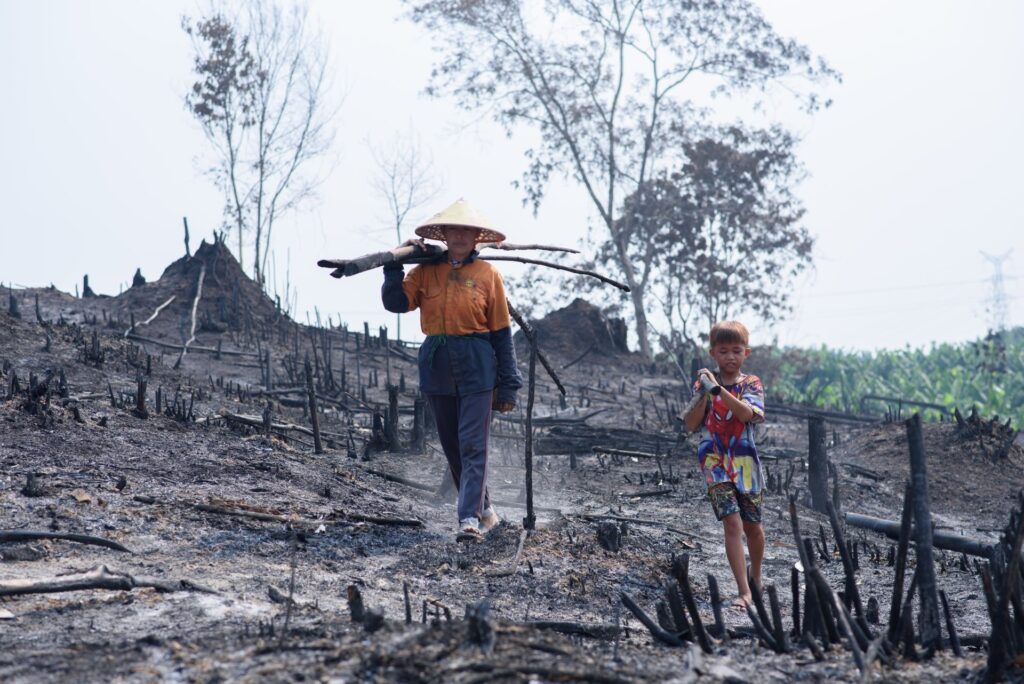
After the government expressed its interest in joining GeCCo, EnDev conducted a country readiness assessment for a mass transition to eCooking and identified the absence of a national eCooking strategy and roadmap as a key barrier. This lack of strategic direction makes it difficult to unify stakeholders and coordinate efforts toward the shared goal of 70% of the population adopting electricity as a primary source of cooking. Considering the importance of having a national strategy, Modern Energy Cooking Services committed funding to support its development, and it is expected to be finalised by the end of 2025. The subsequent roadmap will translate this vision into a practical blueprint, guiding implementation, and leveraging resources effectively.
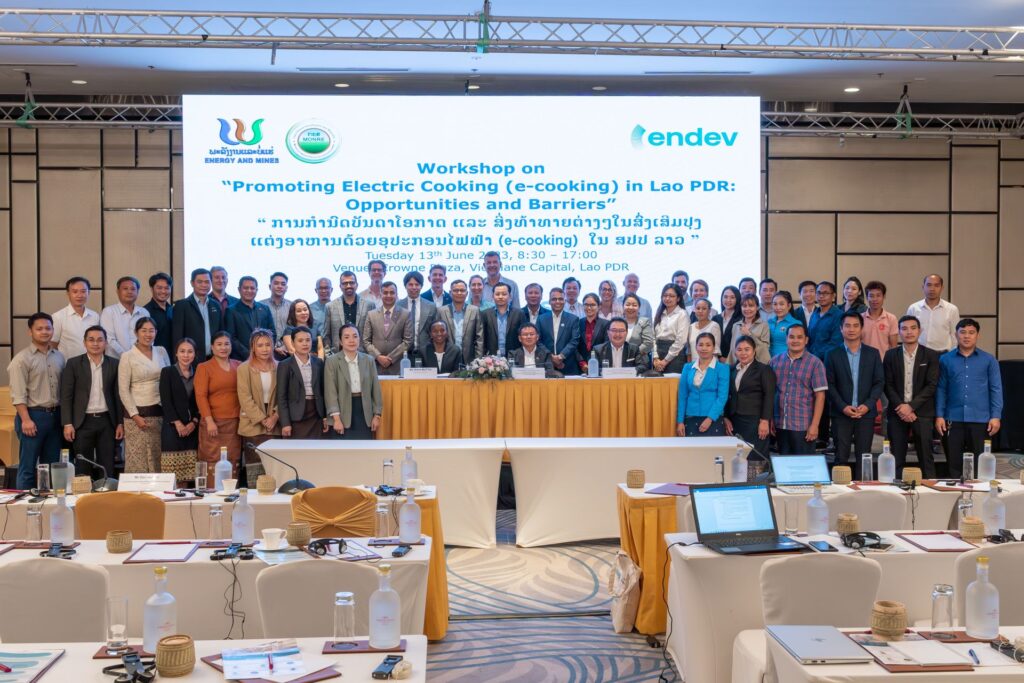

The country readiness assessment also identified several other barriers in the promotion of eCooking, including:
- cultural perceptions that electricity-cooked food lacks flavour and is incompatible with Lao cuisine;
- financing constraints;
- a market gap: supply chain development is in a nascent stage as most suppliers and service providers are concentrated in city areas, and there is a lack of effective after-sales services; and
- infrastructure facilities, including that some household wiring does not comply with minimum safety standards in rural areas.
Towards clean, modern cooking for all
This journey in Laos is driven by a clear political commitment and a strong collaboration between partners, allowing clean cooking to be increasingly recognised as a cornerstone for sustainable development and climate action. This momentum builds on years of groundwork by EnDev, which has supported Laos since 2016 in improving access to cleaner cooking solutions.
From improved biomass stoves to electric cooking, Laos is rapidly climbing the energy ladder – the partnership with GeCCo marks a turning point, helping to turn ambition into action and making clean, modern cooking a reality for all.
Key lessons
In the nascent eCooking market, gaining momentum through behaviour change activities alone is difficult: government cooperation through strong institutional policy and support, like joining GeCCo, is vital for success.
Scaling eCooking requires more than just household electricity access: the readiness assessment highlighted the need to address cultural perceptions, policy gaps, infrastructure limitations, and financing barriers.
For effectively scaling eCooking with fewer challenges, a national strategy is essential to set clear goals and align all stakeholders around a shared vision with defined responsibilities.