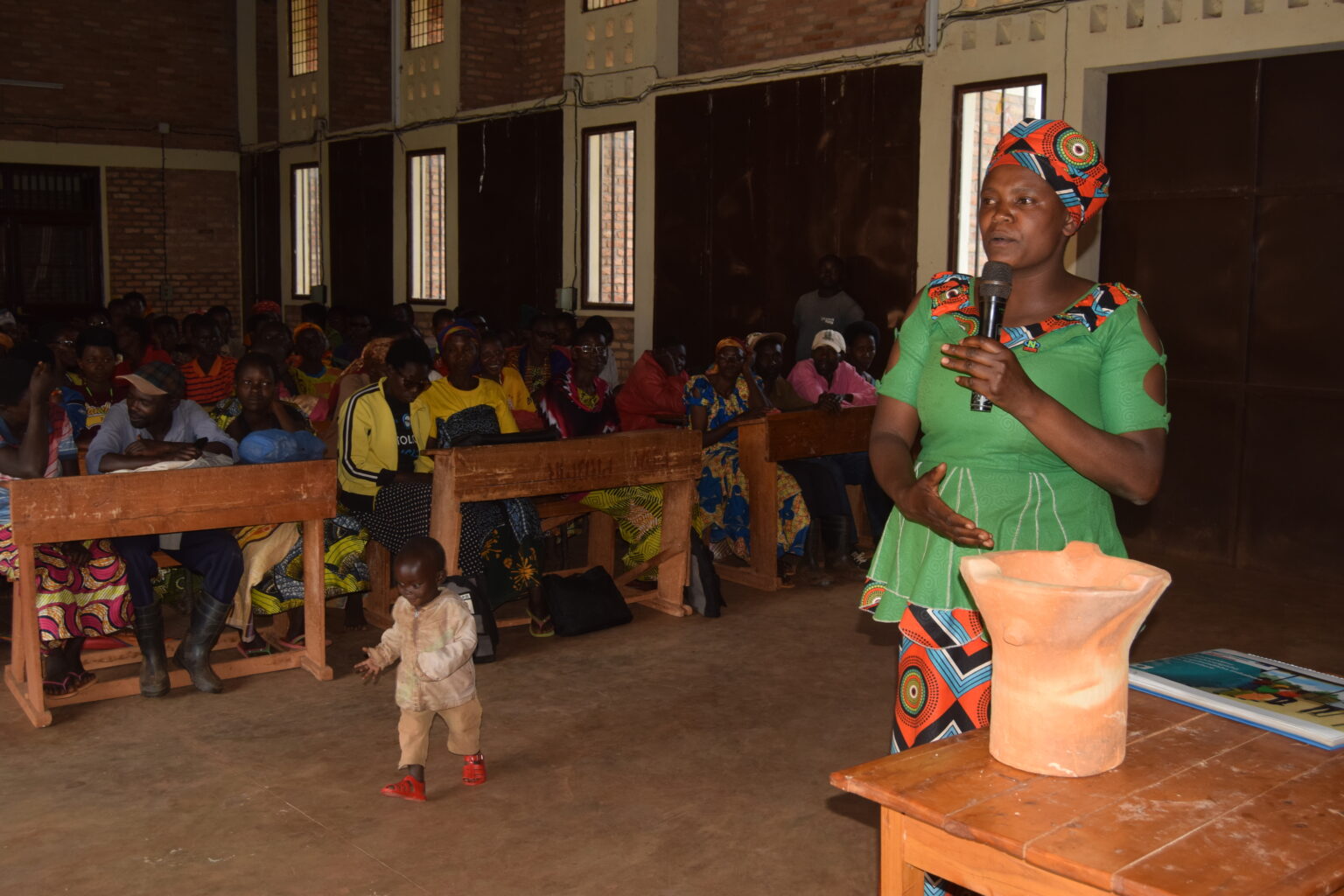
Across Burundi, families are rethinking how they cook – switching from open fires to cleaner, more efficient stoves – thanks to an innovative and strategic marketing approach, which includes radio interviews, television adverts, and hands-on roadshows. Nearly 275,000 improved cookstoves have been sold countrywide, with a new culture of clean cooking taking hold. The result? Less smoke in kitchens, households saving money on firewood, and new jobs for women and vulnerable communities.
Cooking up change
In a small town in the hills of rural Burundi, a mother stirs a pot of ugali over an open fire, the same way generations before her have done. She’s turned on the radio, but not to music; instead, she’s listening to an interview with a government minister and university professor on the benefits of improved cookstoves, and she’s carefully considering if it’s time to make the switch herself.
Improved Cookstoves (ICS)
Improved cookstoves are designed to burn biomass fuels like wood or charcoal more efficiently than traditional cookstoves or open fires. On top of saving fuel and money, improved cookstoves also produce significantly less smoke, improving air quality in the home and leading to an overall improvement of health in users, with fewer eye infections and respiratory diseases.
In Burundi, around 90% of rural households rely on traditional three-stone fires. These fires are inefficient, dangerous, and costly – fuel is scarce, prices are rising, and indoor air pollution is taking a toll on family health, especially for women and children. The environmental impact is also severe, with deforestation threatening long-term sustainability and climate resilience for Burundi. However, as only 11% of households have access to electricity, EnDev introduced highly efficient, locally made improved cookstove that uses 30–50% less biomass fuel, produces less smoke, and cooks food faster. But how do you ignite change in families with limited resources to purchase new stoves and adopt a new way of cooking?
Tuning in to impact
Technology alone doesn’t change behaviour. So, between 2020 and 2024, EnDev’s lead implementer in Burundi, the AVSI Foundation, launched a culturally relevant and highly effective marketing and awareness-raising strategy that reached large numbers of people in a short time. By the end of 2024, nearly 275,000 improved cookstoves had been sold to households in Burundi as a result.
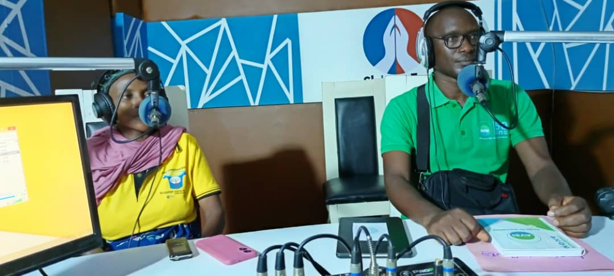
Partnering with five local radio stations, a series of advertisements were broadcast in local languages across the airwaves three times a day, spreading the word about the benefits of improved cookstoves. EnDev also had 30 minutes of radio time each week to bring real stories from producers, sellers, and users. They harnessed big moments, like International Women’s Day, as a platform for discussion between community leaders, government ministries, and EnDev project staff. These programmes had a positive impact on sales. For example, Prudencienne, a female cookstove promoter in Rumonge, said: “My first broadcast on radio made me famous in our village and caused a massive increase in purchases of improved cookstoves. The partnership with the radio has given credibility to my activity as a seller of improved cookstoves.”
Television also played a key role in the marketing strategy. During the Africa Cup of Nations semifinal in 2024, one of the most-watched TV events of the year, commercials reached urban households in Burundi, promoting improved cookstoves uptake and encouraging new sellers and producers. There was also a successful TV campaign through an online streaming platform, reaching all households with access to this service. Informative messages scrolled along the bottom of the screen nine times a day for 15 days, with a telephone number for more information.

Broadcasting a smoke-free future
To bridge the gap between awareness and access, the project organised roadshows –mobile events out the back of a car with loudspeakers, banners, and live demonstrations – which brought the stoves to public squares and markets. Many people, having heard about improved cookstoves on the radio, were eager to buy once they saw them in action. improved cookstoves sales have grown by up to 30% annually, with new demand emerging from co-operatives, small businesses, and individual entrepreneurs to sell and produce improved cookstoves.
Roadshows complement media campaigns because the households that have already heard the benefits of improved cookstoves on the various radio stations can physically see what they have heard. If they were convinced by the messages on the radio, then it becomes a good time to purchase an improved cookstoves.
– Jean Bosco Nkunzimana, EnDev Burundi
Behind the scenes, EnDev was also training improved cookstoves producers in marketing, entrepreneurship, and financial management. More than 1,000 people have been trained, and there are now 73 production workshops (at least three per province), and over 500 points of sale established across the country.
A focus on women and vulnerable communities was central to this initiative. Marketing materials highlighted the health benefits for children and the cost savings – messages that resonate deeply with female heads of households. EnDev has also expanded its efforts in this area, creating jobs and improving livelihoods for vulnerable communities, including the Indigenous Batwa population, economically disadvantaged women, and Congolese refugees, many of whom have taken on roles as sellers, producers, or trainers to earn income and build a better future.
Leave No One Behind (LNOB)
When countries agreed on the SDGs in 2015, they pledged that “no one will be left behind” in sustainable development. The LNOB principle means that everyone should benefit from access to energy. EnDev therefore works actively to include people who are often left without energy access due to poverty, discrimination, displacement, or geographic location.
This inclusion is more than symbolic – vulnerable communities are empowered to build livelihoods while boosting improved cookstoves adoption. A promising new pilot even connects community members directly to producers through door-to-door sales, earning commissions on each stove sold. After successful tests in three Batwa communities, this model will expand to 25 vulnerable communities across Burundi by July 2025.
EnDev’s experience shows that clean cooking adoption isn’t just about an innovative product. It’s about people – understanding their needs, speaking their language, and building trust through the channels they rely on every day. From radios crackling in village kitchens to televised adverts during football matches, from lively roadshows to quiet conversations in market stalls, a revolution is underway – one stove, one story, one household at a time.
Key lessons
Local media, especially radio, is a powerful, cost-effective tool for awareness and behaviour change in rural settings.
Combining media campaigns with in-person demonstrations and roadshows builds trust and accelerates adoption.
Supporting and showcasing local entrepreneurs, especially women, strengthens market sustainability and community ownership.